
Sokcho, a true gem on South Korea’s East Coast, captivates visitors with its breathtaking scenery, where the majestic Seoraksan Mountain meets the azure East Sea. But beyond its picturesque landscapes, Sokcho is a culinary paradise, a haven for food lovers seeking authentic Korean flavors. From the bustling energy of Daepohang Port to the charming, nostalgic alleys of Abai Village, Sokcho offers a grand feast for the senses. As a travel consultant with a decade of experience exploring countless cities, I’ve found few places that offer such a diverse and profound gastronomic journey. Sokcho’s cuisine tells a story, encompassing everything from incredibly fresh seafood caught daily to heartwarming local dishes infused with the history and longing of North Korean refugees. This post is your ultimate guide to a perfect Sokcho food tour, providing a meticulously researched roadmap to the best restaurants in Daepohang and Abai Village. I’ll go beyond just recommending eateries, sharing insights into each area’s unique charm, optimal travel routes, and insider tips. Get ready to embark on a delicious adventure with me – this guide promises to transform your Sokcho trip into an unforgettable ‘foodie journey of a lifetime’.
단계 1: Area Overview & How to Get There
Sokcho is conveniently located about 2.5 to 3 hours from Seoul, making it an ideal destination for a weekend getaway. For those using public transportation, the most convenient option is to take an intercity or express bus from Seoul Express Bus Terminal or Dongseoul Bus Terminal directly to Sokcho. Bus fares typically start in the low 20,000 KRW range (approximately $15-20 USD) for a one-way ticket, and buses run frequently, making it easy to secure a seat. If you prefer to drive, the Seoul-Yangyang Expressway offers a direct route, but be aware that traffic can be heavy during weekends and peak seasons, so checking real-time traffic updates before departure is highly recommended. Within Sokcho city, the local bus network is well-developed, providing easy access between major tourist attractions. Taxis and shared kick-scooters are also readily available for quick trips. Sokcho boasts charm throughout all four seasons: spring brings lush greenery and cherry blossoms to Seoraksan Mountain, autumn paints the landscape with stunning fall foliage, and winter offers beautiful snowscapes paired with comforting seafood dishes. While summer is bustling with beachgoers and water activities, it’s also a vibrant time to visit. For a dedicated food tour, the pleasant temperatures of spring and autumn are ideal for exploring, and these seasons often coincide with prime conditions for enjoying the freshest seafood. Personally, I recommend late spring or early autumn for the best experience.
단계 2: Key Attractions & Must-Visit Tour Course
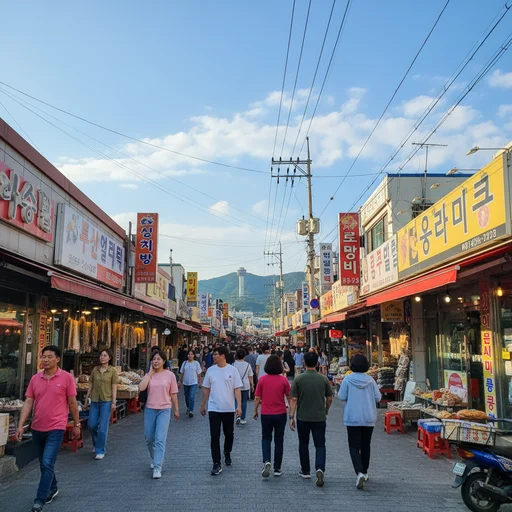
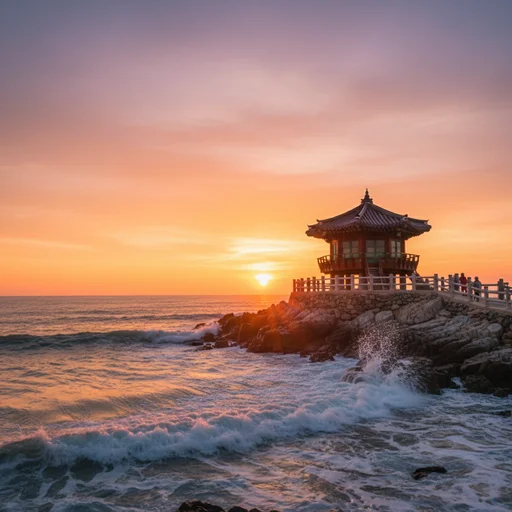
The heart of any Sokcho food tour revolves around Daepohang Port and Abai Village. These two iconic locations are geographically close, allowing for efficient travel, and each offers distinct charms that enrich your journey. At Daepohang, immerse yourself in the lively atmosphere of the fish market, where you can savor freshly caught seafood. Don’t miss the famous ‘튀김 골목’ (Fried Alley) for a variety of delicious street foods, especially the local specialties like crispy shrimp tempura (새우튀김, saeu-twigim) and squid sundae (오징어순대, ojingeo-sundae). From Daepohang to Abai Village, it’s about a 10-minute drive or a pleasant 20-30 minute walk. For a unique cultural experience, I highly recommend taking the Gaetbae ferry, a traditional hand-pulled raft that connects the two areas. In Abai Village, you can taste the soulful Abai Sundae (아바이순대), a unique North Korean-style blood sausage, and more ojingeo-sundae, while also exploring filming locations from the popular Korean drama ‘Autumn in My Heart.’ Beyond these culinary hubs, Sokcho Beach is a must-visit to soak in the beauty of the East Sea, with its scenic coastal walking paths perfect for a leisurely stroll. Yeonggeumjeong Pavilion, perched above the sea, offers stunning sunrise views and the soothing sound of crashing waves, providing an unforgettable backdrop for photos. While it’s possible to visit all these spots in one day, it can be a bit rushed. If your focus is primarily on food, allocate more time to Daepohang and Abai Village, and consider visiting Sokcho Beach and Yeonggeumjeong during sunrise or sunset for the most picturesque moments. Plan for approximately 1-2 hours at Daepohang, 1.5-2 hours at Abai Village, 1 hour at Sokcho Beach, and 30 minutes to 1 hour at Yeonggeumjeong.
단계 3: Local Cuisine & Restaurant Roadmap
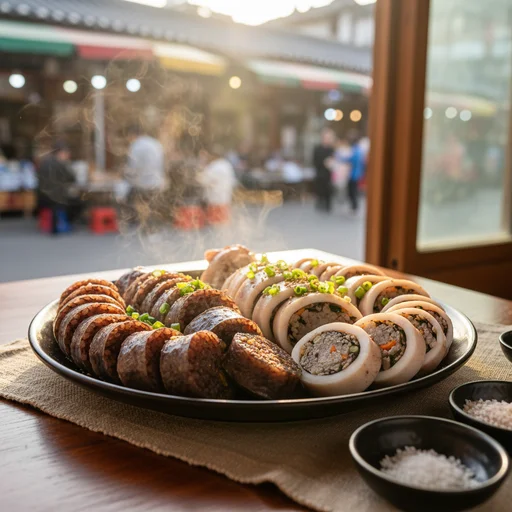
Sokcho is truly a treasure trove for foodies. From dishes featuring the freshest seafood from the East Sea to unique local specialties steeped in the culture of North Korean refugees, Sokcho is ready to delight all your senses. Iconic dishes include Sokcho’s signature ‘Ojingeo Sundae’ (squid stuffed with various vegetables and glass noodles, then steamed, offering a savory and chewy texture) and ‘Abai Sundae’ (a hearty Hamgyeong-do style blood sausage made with pork large intestine, glutinous rice, and vegetables). Other must-try items are the spicy and refreshing ‘Haemul Ttukbaegi’ (seafood hot pot) and the crispy, sweet, and savory ‘Dakgangjeong’ (sweet and sour fried chicken). I’ve personally visited and verified these three ‘must-try restaurants’ that are also highly recommended by locals. First up is ‘Dancheon Restaurant’ in Abai Village. This spot is considered an originator of both Abai Sundae and Ojingeo Sundae, serving up chewy sundae alongside their excellent, refreshing Abai Sundae Gukbap (soup with rice). Prices range from 20,000-30,000 KRW (approx. $15-25 USD) for a plate of sundae and around 10,000 KRW (approx. $8-10 USD) for gukbap. Next, head to ‘Daepohang Shrimp Tempura Alley’ at Daepohang Port. Rather than a single restaurant, the entire alley is a culinary hotspot. Freshly fried, crispy shrimp tempura and squid tempura are perfect as a snack or with a cold beer. Prices start from the low 10,000 KRW range (approx. $8-10 USD) depending on the type. Finally, ‘Manseok Dakgangjeong’ at Sokcho Jungang Market is already nationally famous, but tasting their warm, freshly fried dakgangjeong right from the source is an experience in itself. They offer original and spicy flavors, with a box costing around 20,000 KRW (approx. $15-20 USD). You can dine with peace of mind in Sokcho, as most restaurants do not re-use side dishes. Pairing your meal with local makgeolli (rice wine) or soju is also a great way to immerse yourself in the local culture.
단계 4: Shopping, Cultural Experiences & Activities
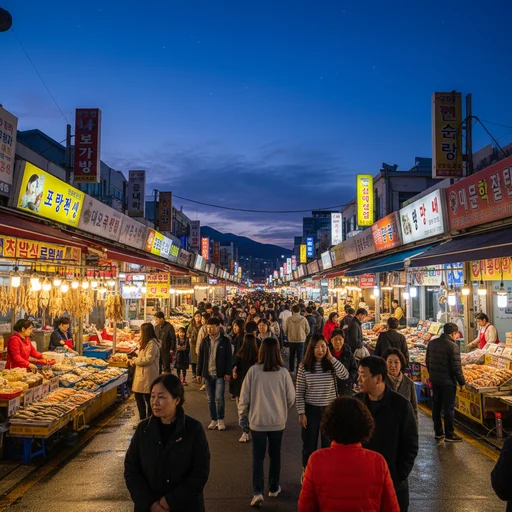
The joy of a Sokcho trip extends far beyond its delicious food. The city also offers unique shopping experiences, diverse cultural activities, and vibrant adventures waiting for you. For shopping enthusiasts, Sokcho Jungang Market (Central Market) is an absolute must-visit. Here, you can find all of Sokcho’s representative local products in one place, including Dakgangjeong (sweet and sour fried chicken), dried seafood, and jeotgal (fermented seafood). The dried seafood, such as fresh squid and pollock, makes for excellent gifts for friends and family back home. In the jeotgal alley, you can sample various types of fermented seafood before purchasing, and convenient delivery services are often available. While most vendors adhere to fixed prices rather than bargaining, you might be able to negotiate a small discount for bulk purchases. For a unique cultural experience, don’t miss riding the Gaetbae ferry in Abai Village. This distinctive, hand-pulled raft, operated by passengers pulling ropes, offers a nostalgic glimpse into the past and is a special experience unique to Sokcho. Additionally, near the Sokcho Port International Passenger Terminal, popular activities include taking a cruise ship to explore the East Sea and admire Sokcho’s stunning coastline. Sunset cruises, in particular, offer a spectacular view of the sun dipping below the horizon. If you’re looking for something more active, I recommend trekking along the Oeongchi Badahyanggi-ro (Coastal Trail). This beautifully maintained walking path along the scenic coastline provides both relaxation and fantastic photo opportunities. Beyond these, Sokcho is dotted with charming cafes and art galleries, perfect for spending a leisurely afternoon.
마치며
We’ve now thoroughly explored Sokcho’s culinary roadmap and travel tips, focusing on the vibrant Daepohang Port and the charming Abai Village. Sokcho is far more than just a resort town; it’s a city brimming with rich history, culture, and, most importantly, a vibrant ‘taste’ that truly comes alive. From the fresh seafood abundant at Daepohang to the heartwarming dishes of Abai Village, infused with the stories of North Korean refugees, and the lively atmosphere of Jungang Market, Sokcho promises a special experience that will satisfy all five senses. To help you plan a perfect trip, here are some additional budget and accommodation tips: You’ll find a variety of hotels, pensions, and resorts near Sokcho Beach or around Daepohang Port, allowing you to choose based on your preferences and budget. If you prioritize ocean views, a beachfront stay is ideal; for value-conscious travelers, accommodations in the city center are recommended. A comfortable daily budget for a solo traveler would be approximately 50,000-70,000 KRW (approx. $40-55 USD) for food, 50,000-100,000 KRW (approx. $40-80 USD) for accommodation (varying by type), and 20,000-30,000 KRW (approx. $15-25 USD) for transportation and other activities. Always consider purchasing travel insurance for emergencies, and remember to contact 112 (police) or 119 (emergency services) if any urgent situations arise locally. I am confident that this guide will serve as a reliable compass for your Sokcho food adventure. Now, it’s your turn to embark on your own journey to Sokcho, discover your ‘life-changing restaurants,’ and create unforgettable memories. Sokcho eagerly awaits you with new flavors and stories.