
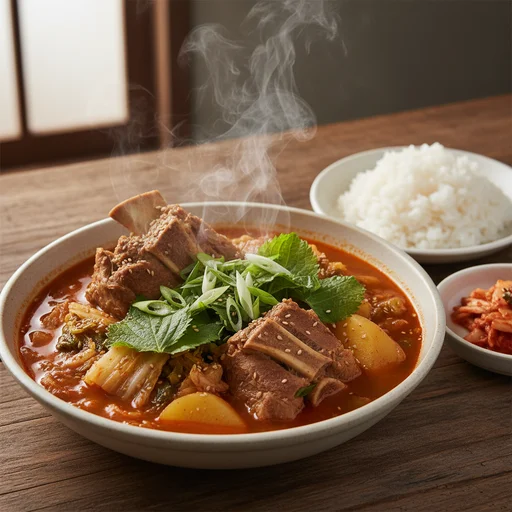
When the chilly winds blow, or when you simply need a warm, comforting embrace for your body and soul, is there any dish more satisfying than Gamjatang (Korean Pork Bone Stew)? This beloved Korean soul food, cherished by all ages, offers a deep sense of happiness with just one bowl. It features tender pork backbone simmered in a rich, spicy broth, perfectly complemented by various vegetables and a flavorful seasoning. While it might seem complex, by following a few key steps, you can achieve a profound, restaurant-quality taste right in your own kitchen. Follow my detailed recipe today to create a delicious and hearty Gamjatang, perfect for sharing a bountiful meal with your loved ones. This guide covers everything from preparing the ingredients to mastering the secrets of a truly deep flavor, making it easy for even beginners to follow.
Step 1: Essential First Step: Cleaning Pork Bones and Removing Blood
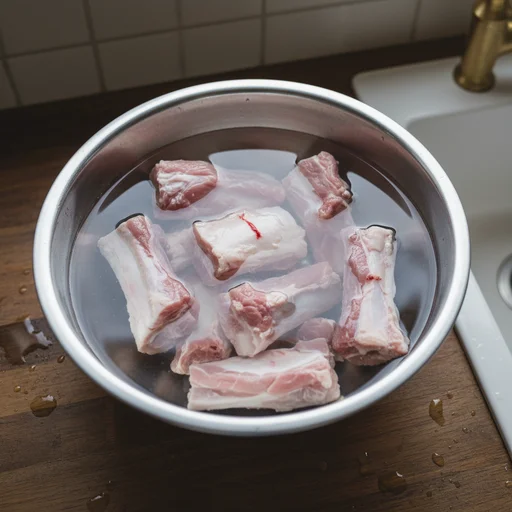
The journey to a perfect Gamjatang begins with preparing fresh pork backbone and thoroughly removing any residual blood. First, rinse the pork bones clean under cold water. Then, place them in a large bowl, cover them completely with fresh cold water, and let them soak for about 3 to 4 hours to draw out the blood. Changing the water once or twice during this process will make it even more effective. This crucial step eliminates any gamey odor and ensures a clean, savory broth. Skipping this part will make it difficult to achieve a truly delicious stew, as the unique smell from the bones can overpower even the best seasonings.
Step 2: First Boil: Blanching Pork Bones for a Clean Broth
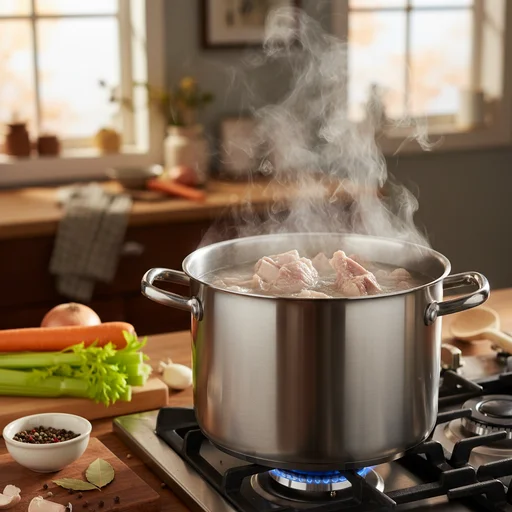
After soaking, it’s time to blanch the pork bones to remove any remaining impurities. Place the blood-free pork bones in a large pot and add enough water to cover them generously. Add about 10 whole black peppercorns, the white part of 1 large green onion, 5 cloves of whole garlic, and a slice of ginger to the pot. Bring the water to a rolling boil over high heat. Once boiling, continue to cook for about 10 minutes to remove any lingering impurities and excess fat from the bones. Discard all of this initial boiling water. Rinse the blanched pork bones thoroughly under running cold water, ensuring no bone fragments or scum remain.
Step 3: Simmering the Broth and Preparing the Spicy Seasoning Paste
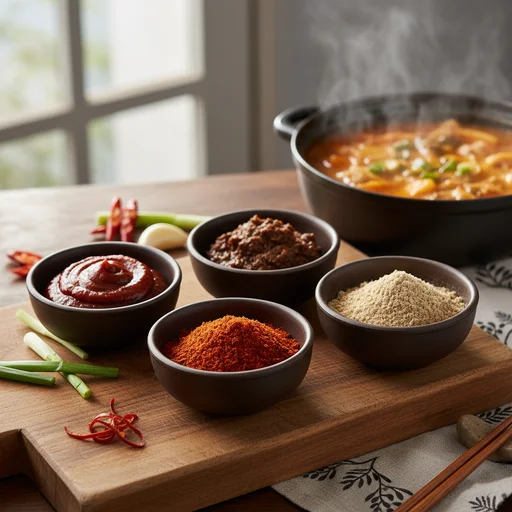
Return the thoroughly cleaned pork bones to the pot. Add 2.5 liters (about 10-11 cups) of fresh water, along with the white part of 1 large green onion, 5 cloves of whole garlic, and a slice of ginger. Bring to a boil over high heat, then reduce the heat to medium-low and simmer for 1.5 to 2 hours, allowing a rich, flavorful broth to develop. While the bones are tenderizing, prepare the seasoning paste. In a separate bowl, combine 5 tablespoons of gochugaru (Korean chili powder), 2 tablespoons of doenjang (Korean soybean paste), 1 tablespoon of gochujang (Korean chili paste), 3 tablespoons of minced garlic, 1 teaspoon of minced ginger, 2 tablespoons of gukganjang (Korean soup soy sauce), 1 tablespoon of myeolchi aekjeot (Korean anchovy sauce), 4 tablespoons of perilla seed powder, 2 tablespoons of mirin (Korean cooking wine), and a pinch of black pepper. Mix everything well to form a thick paste.
Step 4: Adding Vegetables and Simmering to Perfection
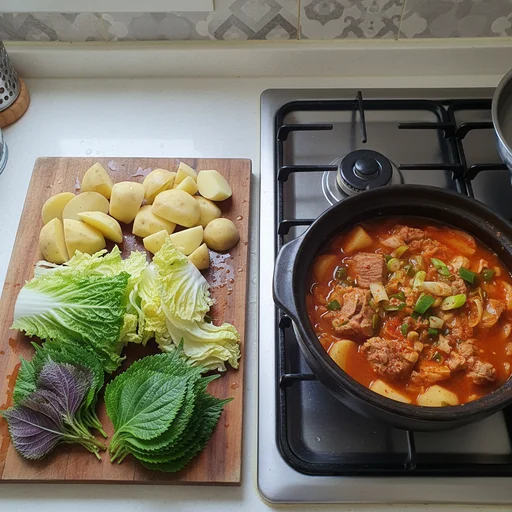
Once the broth has developed a rich flavor and the pork bones are tender, carefully remove the bones from the pot. Discard the green onion, garlic, and ginger from the broth. Prepare 2 large potatoes by cutting them into substantial chunks, and slice 200g (about 7 oz or 2 cups) of blanched napa cabbage outer leaves or dried napa cabbage (woogeoji) into bite-sized pieces. Return the pork bones and potatoes to the broth and bring it to a boil. Once the potatoes are halfway cooked, add half of the prepared seasoning paste and the woogeoji. Continue to simmer over medium heat for another 15-20 minutes, allowing the flavors to meld and the ingredients to absorb the delicious broth.
Step 5: Final Adjustments and Serving Your Gamjatang
When the potatoes and woogeoji are tender, add the remaining seasoning paste. Adjust the seasoning with gukganjang (Korean soup soy sauce) or salt to your taste. Finally, roughly chop 1 bunch of fresh perilla leaves (deulkkaennip), thinly slice 1 green onion diagonally, and slice 1 Cheongyang chili pepper (or serrano pepper for similar heat) diagonally, then add them to the pot and bring to a quick boil. Be careful not to overcook the perilla leaves and green onions, as this preserves their fresh aroma and vibrant color. Just before turning off the heat, stir in an additional 1-2 tablespoons of perilla seed powder to maximize the nutty richness, completing your perfect homemade Gamjatang.
Conclusion
With a bowl of homemade Gamjatang prepared with such care, you won’t envy any restaurant’s version! The rich broth extracted from the bones, the spicy seasoning, and the tender woogeoji and potatoes create a truly exquisite harmony of flavors. While the process might seem extensive at first, you’ll find it much easier after your initial attempt. Leftover Gamjatang can be refrigerated and reheated, or you can get creative by adding ramen noodles or hand-pulled dough flakes (sujebi) for a delightful variation. I hope you enjoy a happy and fulfilling time nourishing your body and soul with this warm Gamjatang alongside your loved ones. May this recipe bring warmth and joy to your dining table, and I look forward to sharing another delicious recipe with you next time!