
Hello everyone! I’m Travel Master K, a travel consultant with 10 years of experience and a travel blogger who’s always with my 10 million subscribers. Today, I’m excited to reveal 7 hidden photo spots on Jeju Island that I’ve personally discovered through countless hours of exploring and capturing Jeju’s beauty with my camera – places where you can truly get those ‘life shots’ (once-in-a-lifetime photos). Jeju Island is already a picturesque masterpiece, but if you want to capture something more special and profound than the usual tourist spots, my guide will be essential. Jeju captivates visitors year-round, showcasing different charms in every season. From emerald-blue seas and majestic ‘oreums’ (volcanic cones) to mystical forest paths and charming villages, it’s a continuous panorama where you can’t put your camera down. However, a true ‘life shot’ isn’t just about a pretty background. Magical moments are born when you understand the direction of light, seasonal changes, and the unique story each place holds. In this post, I’ve included not only shooting tips for each spot but also travel routes, nearby restaurants, and practical information you need to know before your trip, all to help you capture the best photos in Jeju. I hope you discover Jeju’s hidden beauty through your camera lens, beyond just seeing it with your eyes, and create memories to cherish for a lifetime. Shall we explore Jeju’s hidden treasure-like photo spots with me now?
Step 1: Jeju Island Overview & How to Get There
Jeju Island, often called ‘Korea’s Hawaii,’ is a beautiful volcanic island located south of the Korean peninsula, boasting exotic landscapes and a mild climate. Access to Jeju is primarily by air. Dozens of direct flights operate daily from major Korean cities like Gimpo, Busan, and Daegu to Jeju International Airport, with flight times typically around an hour, making it very convenient. If you utilize low-cost carriers, you can often find round-trip tickets for around 50,000 KRW (approximately $40-45 USD). For getting around the island, renting a car is the most efficient option. While public transportation is well-developed, many hidden photo spots are difficult to access without a car, so a rental is highly recommended. Shuttle buses to the rental car house are available from the airport, and it’s essential to book in advance during peak season. The best times to visit Jeju are spring (April-May) and autumn (September-October). You can enjoy mild weather along with beautiful seasonal scenery like canola flowers, cherry blossoms, and silver grass. Summer (July-August) is great for marine activities but can be humid and crowded, while winter (December-February) offers camellia flowers and snowscapes but can be windy and cold. For domestic travelers, no visa or entry procedures are required; just bring your ID. For a relaxed trip, I recommend at least 3 nights and 4 days, and careful itinerary planning will help you use your time efficiently.
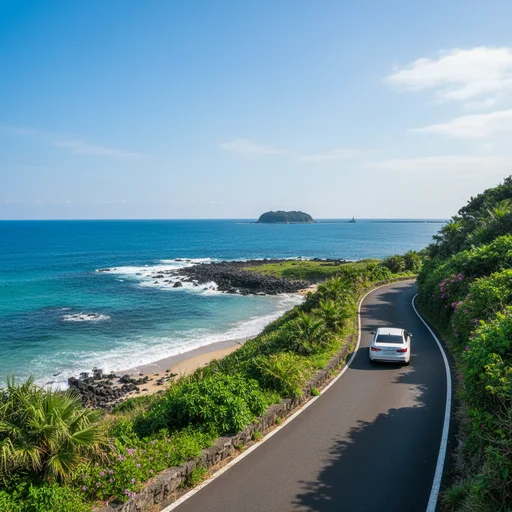
Step 2: Top Attractions & Must-Visit Photo Spots: 7 Hidden Gems for Your Best Shots
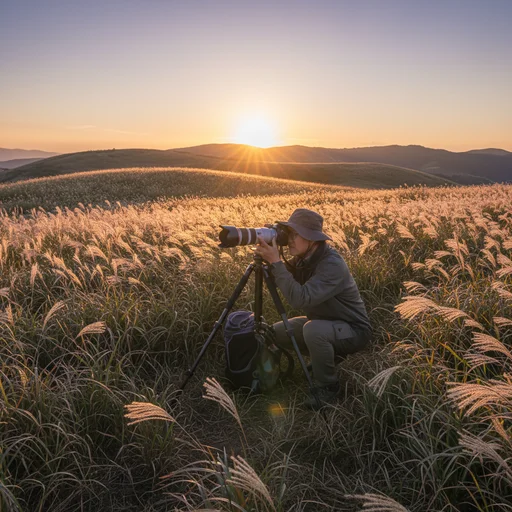
Capturing ‘life shots’ in Jeju goes beyond simply visiting famous attractions; it begins with understanding the light and atmosphere of each location. My carefully selected 7 hidden photo spots will make your album truly special. First up is Saebyeol Oreum. In autumn, the golden waves of silver grass create a spectacular scene, and especially at sunset, the entire oreum is bathed in a mesmerizing orange glow, perfect for emotional photos. Try taking silhouette photos with the vast oreum as your backdrop. Second, Teshphon at St. Isidore Farm offers exotic architecture blended with green pastures, making you feel like you’ve stepped into a European farm. Visiting late in the afternoon on a clear day allows you to capture picturesque photos under warm sunlight. Third, Seonheul Dongbaekdongsan (Camellia Forest) truly shines in winter. The vibrant red camellia flowers blooming along the Gotjawal forest path (a unique type of forest formed on lava flows) create a mystical atmosphere, ideal for quiet portrait snapshots amidst the serene woods. Fourth, Boromwat presents a new look with different flowers blooming each season. In spring, canola flowers; in summer, hydrangeas and lavender; and in autumn, buckwheat flowers spread out expansively, creating a colorful backdrop. Fifth, Sagye Beach (Hyungjeseom Islets area) is impressive with its unique geological formations and the distant Hyungjeseom (Brother Islands). Especially at sunset, you can capture dramatic photos sitting on the coastal rocks with the glowing sky behind you. Sixth, Bijarim Forest is filled with the tranquility and mystery of a thousand-year-old forest. The moss-covered trees and nutmeg tree forest path make you feel like you’ve entered a fantasy movie, and portraits taken in the forest can convey a sense of peace, as if you’re one with nature. Finally, Woljeongri Beach boasts a lively atmosphere with its emerald-blue sea and charming cafes. Use the beachside benches or cafe props to take bright and lively snapshots. All these 7 spots are easily accessible by rental car, and I recommend allocating ample time at each location to observe the changing light and experiment with different angles. Rather than rushing, it’s important to take your time and try various perspectives at each spot.
Step 3: Jeju Local Cuisine & Restaurant Roadmap
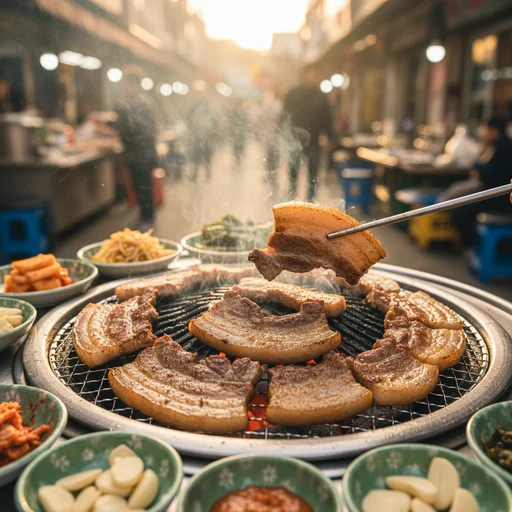
Another joy of traveling in Jeju is its incredible cuisine. Jeju dishes, made with fresh seafood and specialties grown in its pristine nature, are an art form in themselves. Representative Jeju foods include the chewy Jeju Black Pork, succulent braised or grilled hairtail fish (Galchi-jorim/gui), and hearty spicy seafood stew (Haemultang) brimming with fresh seafood. And for dessert, the sweet and tangy tangerines (Gamgyul) and Hallabong citrus are a must-try. I’ll introduce three ‘local-recommended restaurants’ that I personally loved. First is ‘Donsadon Main Branch,’ a famous Jeju Black Pork specialty restaurant. The thick black pork grilled over charcoal and dipped in fermented anchovy sauce (Meljeot) is simply exquisite. There’s often a long wait, but it’s absolutely worth it. (Estimated price: around 60,000 KRW / approx. $45-50 USD for two). Second is ‘Chunsimine Main Branch,’ renowned for its braised hairtail. The whole braised hairtail is visually stunning, and the tender fish meat with its sweet and spicy sauce is a ‘rice thief’ (meaning it’s so delicious you’ll eat a lot of rice). It’s especially popular with families. (Estimated price: around 80,000 KRW / approx. $60-65 USD for two). Lastly, for fresh seafood, visit ‘Myungjin Jeonbok.’ Their abalone stone pot rice (Jeonbok Dolsotbap) and abalone porridge (Jeonbokjuk) are packed with the flavors of the Jeju sea, offering a healthy and satisfying meal. (Estimated price: around 20,000 KRW / approx. $15-20 USD per person). Besides these, Jeju has many hidden cafes and local eateries, so asking locals for recommendations is always a good idea. When dining, side dishes are usually refillable for free, and many black pork restaurants grill the meat for you, allowing you to enjoy your meal comfortably.
Step 4: Shopping, Cultural Experiences & Activities
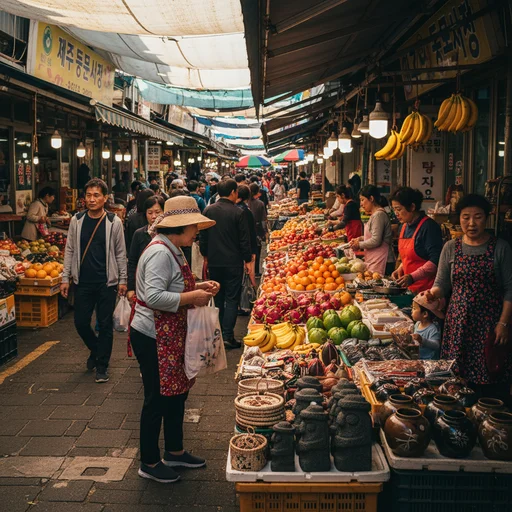
A trip to Jeju is more than just sightseeing; it’s filled with diverse experiences and shopping delights that satisfy all five senses. Immerse yourself in Jeju’s unique culture and find special souvenirs. Recommended shopping areas include Jeju Dongmun Market and Seogwipo Maeil Olle Market. Here, you can purchase fresh seafood, Omegi-tteok (Jeju’s traditional rice cake), tangerine chocolates, Hallabong citrus, and other Jeju specialties at reasonable prices. The Dongmun Market Night Market, in particular, offers a vibrant atmosphere with various street foods, making it a great place to visit in the evening. For souvenirs, handmade soaps, candles, and charming trinkets reflecting Jeju’s aesthetic are popular, and you can discover unique products at small workshops and cafes along the coastal roads. Cultural experiences include making miniature Dolhareubang (Jeju’s iconic stone statues), tangerine picking (seasonal), and traditional Jeju food making. The tangerine picking experience, in particular, is an activity the whole family can enjoy, and it’s extra special because you get to taste and take home the tangerines you pick yourself. If you prefer activities, there are diverse options such as horseback riding, yacht tours, scuba diving, and paragliding. Marine activities along the Jeju coast will offer a fantastic experience, allowing you to feel Jeju’s beautiful nature up close. Most of these experiences and activities can be booked online in advance, and you can often receive discounts compared to on-site purchases, so it’s recommended to prepare beforehand.
Conclusion
Well, everyone! You’ve just explored a complete travel guide, including 7 hidden photo spots in Jeju, with me. Jeju Island is not just a place with beautiful scenery; it’s an island of infinite possibilities where you can create new stories through your camera lens. I hope you utilize the tips I’ve shared to capture your own unique ‘life shots’ in Jeju, different from anyone else’s. Travel isn’t just about reaching a destination; the experiences and memories gained along the way are the most precious. Don’t get too caught up in photography; remember to fully enjoy the moment by feeling the Jeju breeze, tasting delicious food, and experiencing the local culture. These moments are the true ‘life’ scenes that photos alone cannot fully capture. Finally, here are some tips for wrapping up your trip and ensuring your safety. Choosing accommodation that aligns with your travel itinerary and purpose is key. Jeju City offers good accessibility and many amenities, while Seogwipo City is ideal for those who prefer a nature-friendly and quiet atmosphere. There are various lodging options, including charming private pensions, budget-friendly guesthouses, and comfortable resorts. For a comfortable trip, you can expect a daily budget of around 100,000-150,000 KRW (approx. $75-115 USD) per person, including accommodation, rental car, food, and activities. Most importantly, prioritize safety. Jeju is a relatively safe travel destination, but always follow safety rules when trekking along the coast or on oreums, and in case of emergency, you can contact 119 (emergency services) or 112 (police) for assistance. I always recommend purchasing travel insurance, and I wish you a safe return with cherished memories. Travel Master K will be your reliable guide on your next adventure too. Have a wonderful trip to Jeju!